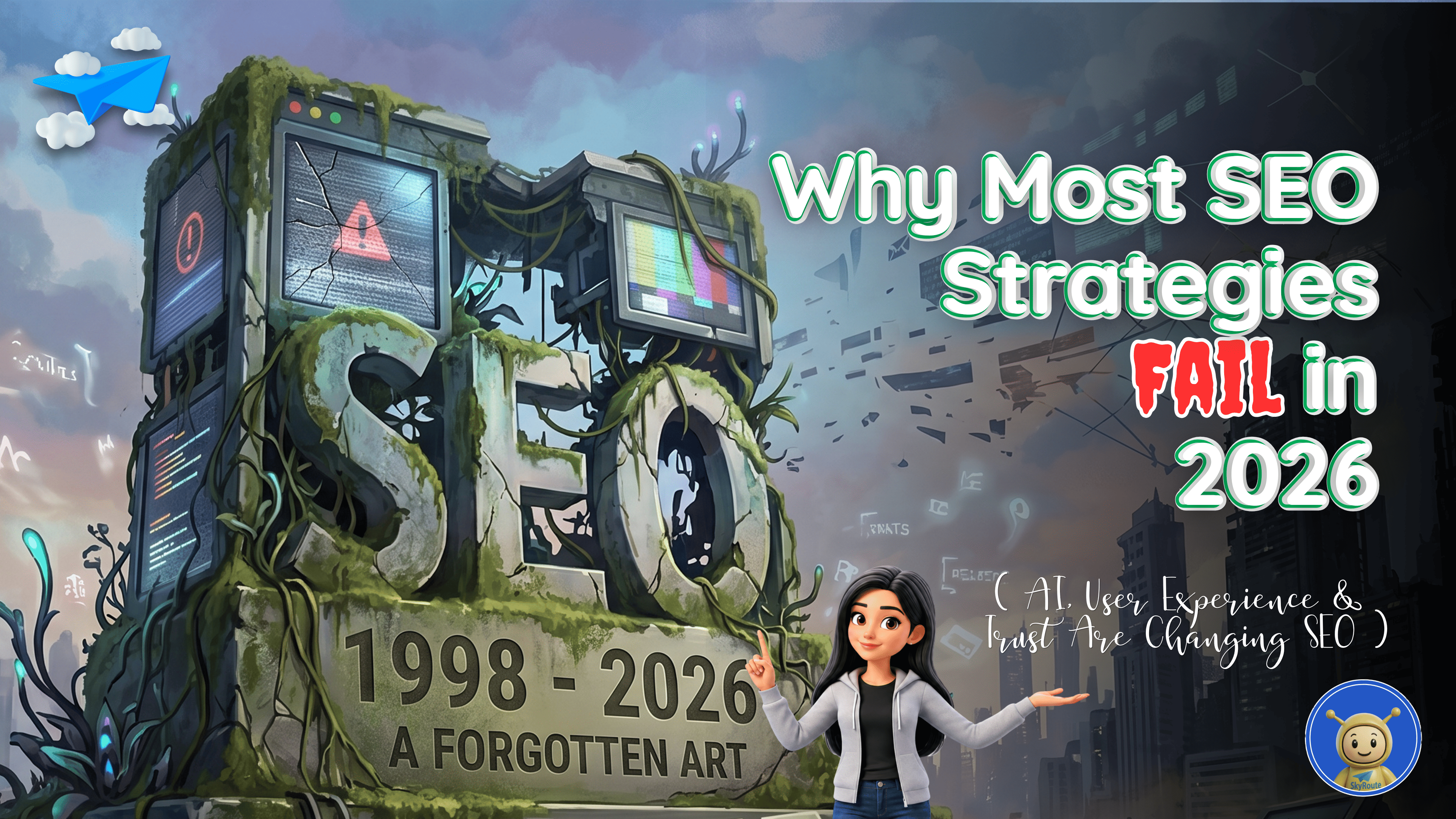

In 2026, a website is often the first place where potential customers learn about your business. Before making a call, sending a message, or visiting an office, most people search online and judge your brand within seconds.
That means website design is no longer only about appearance. A professional website directly affects trust, user experience, enquiries, conversions, and even Google rankings.
Many businesses lose customers because their website looks outdated, loads slowly, or feels difficult to use. On the other hand, a smart and modern website can become one of the strongest growth tools for any company.
If you are planning a better online presence, explore our professional web development services.
Why Website Design Matters More in 2026
Online competition is stronger than ever. Customers compare multiple businesses before choosing one. If your website looks unprofessional, confusing, or slow, visitors usually move to a competitor.
Good design helps your business create a strong first impression, keep visitors engaged, and guide them toward taking action.
1. Creates a Strong First Impression
First impressions happen quickly. Users often decide in a few seconds whether they trust a website.
Clean layouts, modern visuals, quality images, readable text, and professional branding instantly improve confidence.
If your website feels old or cluttered, users may assume your business is outdated as well.
2. Builds Trust and Credibility
Trust is one of the biggest factors in online buying decisions. People want to know they are dealing with a reliable company.
A strong website design supports trust through:
- Professional branding
- Client testimonials
- Portfolio examples
- Secure browsing experience
- Clear contact information
You can also showcase your work through your portfolio page.
3. Improves User Experience
User experience means how easy and pleasant it is for visitors to use your website. If people cannot find information quickly, they often leave.
Good UX includes:
- Simple navigation menus
- Clear page structure
- Readable fonts
- Fast loading speed
- Easy enquiry forms
Better user experience usually leads to longer visits and higher conversion rates.
4. Mobile-Friendly Design Is Essential
Most users browse websites on mobile devices. If your website is difficult to use on phones, you may lose a large percentage of traffic.
Responsive website design ensures your pages look and function properly on mobile, tablet, and desktop screens.
Google also uses mobile-first indexing, which makes mobile usability important for SEO.
5. Supports Better SEO Rankings
Website design and SEO work together. A visually attractive website alone is not enough. It also needs strong technical foundations.
Design impacts SEO through:
- Page speed optimization
- Mobile responsiveness
- Internal linking structure
- Clean code layout
- Readable content formatting
- Low bounce rate signals
Read also: Why Poor Website Performance Is Losing Clients
6. Increases Leads and Enquiries
A well-designed website should not only inform visitors, it should convert them into leads.
Strong call-to-action sections such as:
- Get Free Quote
- Book Consultation
- Call Now
- Start Project
help users know what to do next.
7. Strengthens Brand Identity
Your website should reflect your business identity. Consistent colors, typography, messaging, and design style help people remember your brand.
Strong branding creates long-term recognition and trust.
8. Helps You Compete with Bigger Businesses
A small business with a professional website can compete strongly online. Customers often judge by presentation, not company size.
If your website looks better, loads faster, and feels easier to use, you can outperform larger competitors.
9. Provides Long-Term Business Value
A website is not a short-term expense. It is a digital asset that can generate leads, build trust, rank on Google, and support marketing for years.
Unlike temporary ads, a strong website continues working 24/7.
Bad Website vs Good Website Design
- Bad: Slow loading, cluttered layout, weak CTA, poor mobile view
- Good: Fast, clean, mobile-friendly, SEO-ready, conversion focused
How to Improve Your Current Website
If your website is underperforming, start with these upgrades:
- Improve loading speed
- Refresh visual design
- Rewrite weak content
- Add trust signals
- Improve SEO structure
- Make mobile experience smoother
Why Businesses Choose Professional Website Design
DIY websites may save money initially, but professional websites often produce better returns through trust, conversions, and stronger branding.
Businesses that invest in quality design usually benefit long term.
Conclusion
Website design is not only about looks. It affects trust, SEO, customer experience, lead generation, and business growth.
In 2026, companies with strong websites gain a clear advantage over competitors with outdated sites.
At Skyroute Solution, we create fast, modern, SEO-friendly websites that help businesses grow online.
Get a High-Performance Website
Frequently Asked Questions
Why is website design important for business?
Website design creates trust, improves user experience, and helps convert visitors into customers.
Does website design affect SEO?
Yes. Design affects speed, mobile usability, structure, and engagement signals that support rankings.
How often should a website be redesigned?
Many businesses refresh their website every 2 to 4 years depending on goals and competition.
Can a good website increase leads?
Yes. Better design with clear CTAs and trust signals often improves enquiries.
What makes a website user-friendly?
Fast speed, easy navigation, readable content, mobile responsiveness, and simple forms.
Is mobile-friendly design necessary in 2026?
Absolutely. Most users browse on mobile devices and Google values mobile usability.
Where can I get professional website help?
Visit our contact page for consultation.